Some people can keep a fiddle-leaf fig thriving for years. The rest of us have a windowsill graveyard and a slightly guilty conscience. Artificial plants are the honest answer for dark corners, steamy bathrooms and busy weeks, and the good ones are now convincing enough that guests reach out to touch the leaves.
The trick is choosing the right plant for the right spot and styling it like the real thing. This room-by-room guide covers which types look most believable, where they work best, and the small details that stop a faux plant looking like it came free with a takeaway.
Why choose artificial plants indoor
Real plants are lovely, but they need light, water and a bit of attention. Plenty of rooms in a typical UK home can’t offer the first, and plenty of us can’t promise the second.
Artificial plants indoor make sense when:
- The room is dark. Hallways, north-facing rooms and corners away from windows struggle to keep real plants healthy.
- It’s hard to reach. Tops of kitchen cupboards and high shelves are perfect for trailing greenery, but a pain to water.
- There are pets or small children. Some popular houseplants aren’t pet-friendly, and faux versions remove the worry about nibbled leaves.
- You’re away a lot. No watering rota, no dead plants when you get home.
They also last for years, so a few good pieces can be better value over time than replacing real plants that didn’t make it.
How to spot realistic fake plants
Not all faux greenery is equal. Realistic fake plants share a few traits, and once you know what to look for, the cheap-looking ones are easy to avoid.
Varied colour. Real leaves aren’t one flat green. Look for slight shading, lighter new growth and visible veins.
Imperfect shapes. Nature isn’t symmetrical. A plant with leaves at slightly different angles and sizes reads as real far more easily than a perfectly even one.
Bendable stems. Wired stems let you shape the plant so it looks like it’s grown towards the light, rather than coming straight out of a box.
Real-touch materials. Some flowers, especially orchids, use “real touch” finishes that feel soft and slightly waxy. The Avoeco real touch orchid is a good example, with silk blooms and buds in a pot, and orchids are one of the most convincing faux flowers because the real ones look so sculptural anyway.
A proper pot. More on this below, but a good plant in a flimsy plastic pot will always look fake.
A room-by-room guide
Different rooms suit different plants. Here’s a quick overview before we go room by room.
| Room | Best types | Why |
|---|---|---|
| Living room | Large floor plants, olive or dracaena trees | Fill empty corners and add height |
| Kitchen | Trailing plants, small herbs and succulents | Soften cupboards and shelves |
| Bathroom | Ferns, orchids, small potted greenery | Cope with steam and low light |
| Bedroom | Small plants on bedside tables or shelves | Calm and low-maintenance |
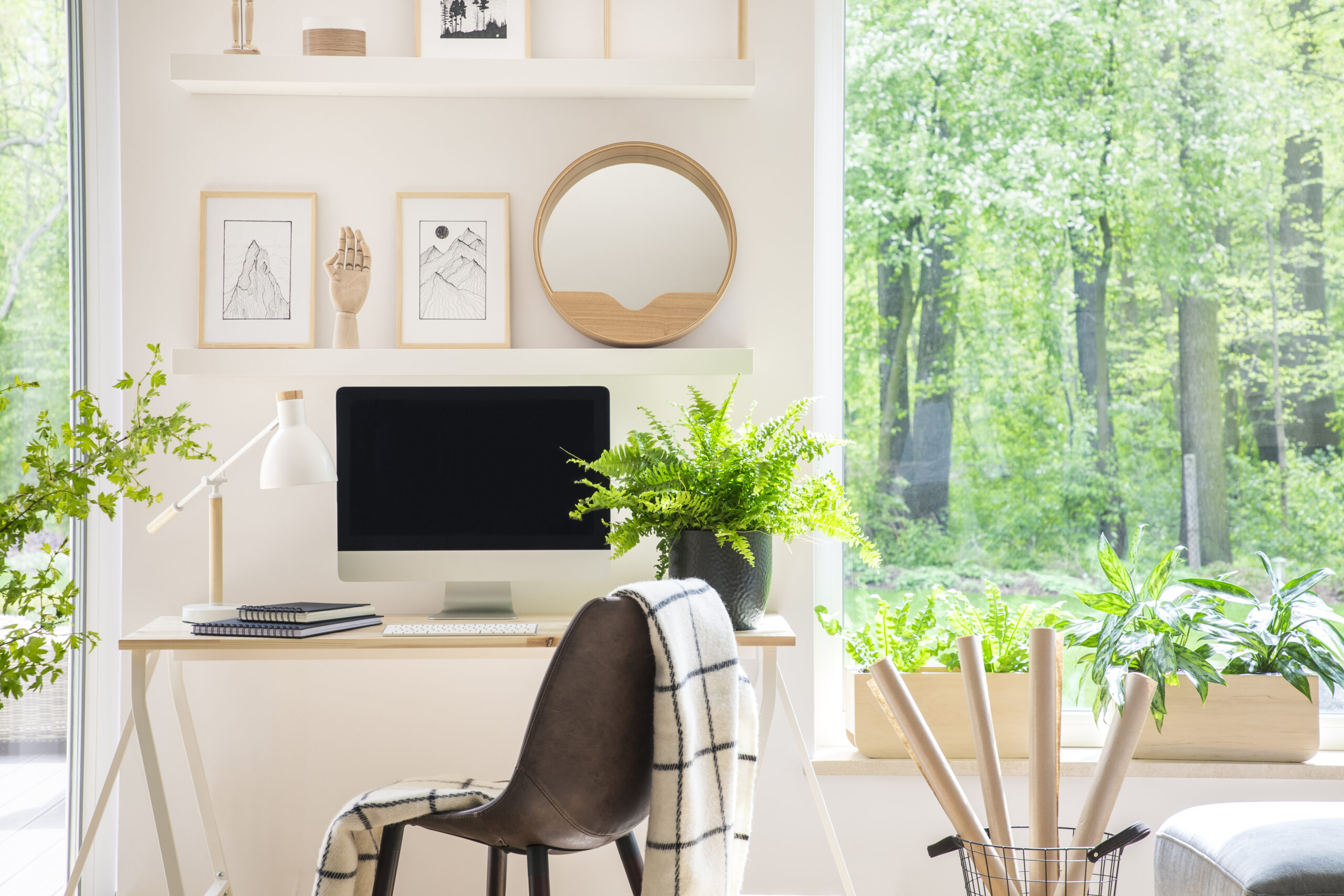
| Home office | Mini pots, one statement plant | Brighten a desk without fuss |
| Hallway | Slim tall plants, hanging greenery | Make a dark space feel welcoming |
Living room
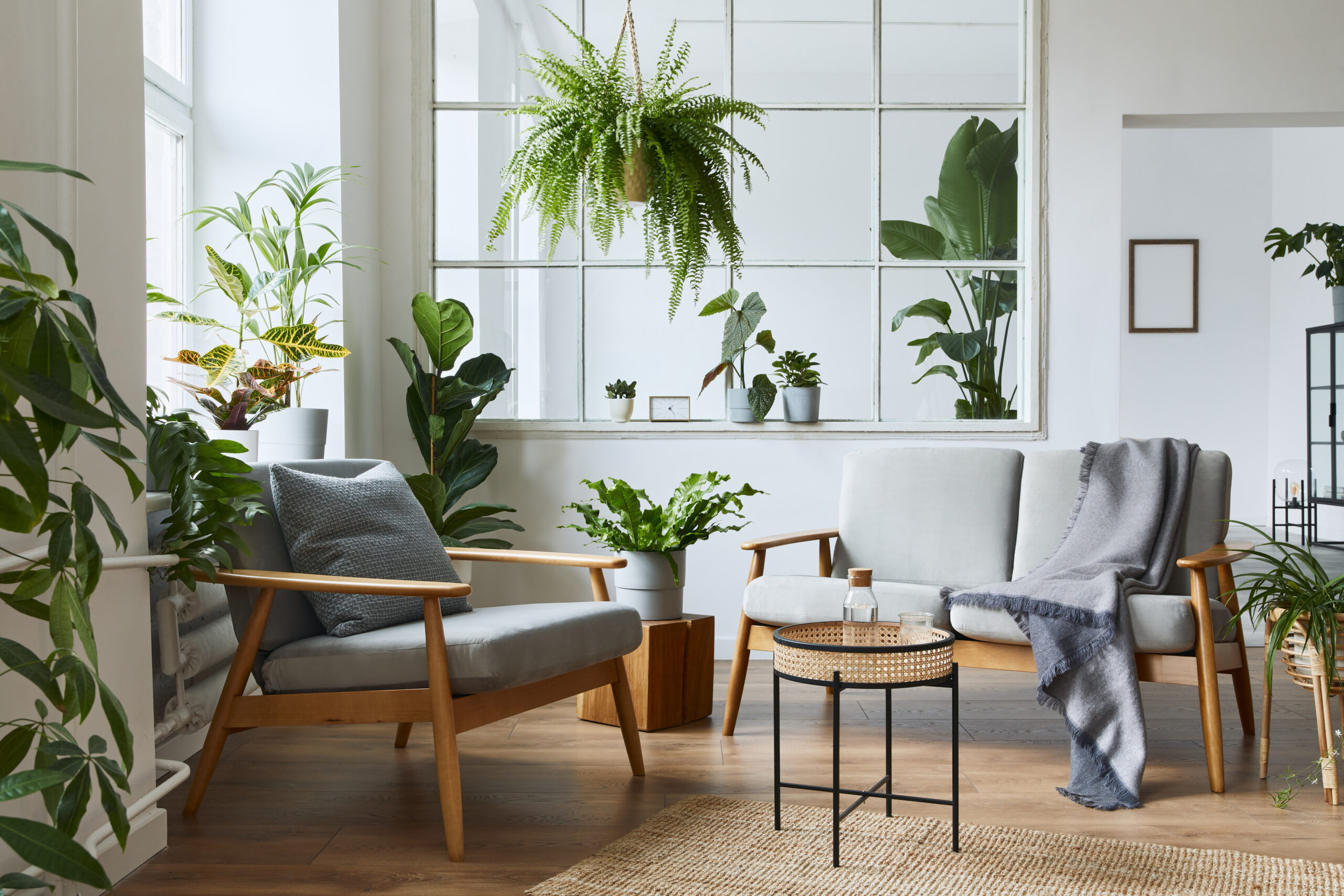
This is the place for a statement floor plant. An empty corner beside the sofa or next to the TV unit is crying out for something tall. Dracaenas and palms suit modern rooms, while an artificial olive tree brings a softer, Mediterranean feel that works beautifully with linen, oak and neutral walls.
For a big impact, the Fopamtri artificial dracaena tree stands at 180cm and comes with a tall white planter. If your ceiling is lower or the corner smaller, the Leaf tropical dracaena is a more modest size for a smaller space.
Kitchen
Trailing greenery along the top of wall cupboards or open shelves softens all those straight lines. Keep plants away from the hob, as heat and grease will make them grubby. Small potted succulents on the windowsill add life without taking up worktop space.
Bathroom
Bathrooms are often the hardest room for real plants: little light, lots of steam, and temperatures that swing. Faux plants don’t mind any of it. Ferns, orchids and small pots on a shelf or windowsill make a bathroom feel like a spa. Our small bathroom ideas guide has more ways to make a compact bathroom feel calm.
Bedroom and home office
Small and simple works best here. A single potted plant on a bedside table or a cluster of mini pots on a desk is plenty. The Briful artificial succulents sit in a white ceramic pot, which looks neat on a desk or dressing table. For more desk-friendly ideas, see our guide to home office ideas.
Artificial hanging plants: adding greenery up high
Artificial hanging plants are where faux really comes into its own. Real trailing plants need regular watering, and getting a watering can up to a ceiling hook is nobody’s idea of fun.
Use them to:
- Trail from the top of a bookcase or kitchen cupboard.
- Hang in a macramé holder in a bright corner.
- Spill over the edge of a high shelf in the bathroom.
- Frame a window without blocking light.
The Oairse trailing tradescantia in ceramic pots are modelled on real plants and look lovely tumbling from a shelf. For a lighter, more minimal look, the JEY Products hanging eucalyptus plants come as a pair in pots, so you can balance them either side of a window or shelf.
Styling tips to make faux look real
Even the best artificial plant needs a little help. These small steps make a big difference.
Repot it
Most faux plants arrive in basic plastic pots. Pop them into a ceramic, terracotta or woven planter and they instantly look more natural. Fill the gap at the top with moss, small pebbles or a little real soil.
Shape the stems
Spend five minutes bending stems and leaves so they look like they’re reaching towards the window. Real plants grow towards light, and copying that makes a fake one far more believable.
Mix with real plants
If you have a couple of easy real plants, group them with faux ones. The real leaves help sell the whole display.
Keep them clean
Dust is the giveaway. Wipe leaves with a damp cloth every few weeks, or give smaller plants a quick shake outside. Faux plants used near a window may fade over time unless they’re UV resistant, so check before putting one in full sun.
Our picks for artificial plants
We picked these because they look natural, suit a range of rooms and come with pots or planters ready to display.
- Avoeco real touch orchid: an elegant faux orchid for a bathroom or bedroom.
- Fopamtri artificial dracaena tree: a tall statement plant for an empty living room corner.
- Oairse trailing tradescantia: trailing plants in ceramic pots for shelves.
- Leaf set of three mini ceramic planters: small potted plants for windowsills and desks.
- Briful artificial succulents: a neat succulent mix in a white ceramic pot.
You can see the full range in our artificial plants and flowers and artificial plants and planters collections.
Faux plant FAQs
Do artificial plants look tacky?
Cheap ones can, but good-quality faux plants with varied colour, natural shapes and a proper pot look very convincing. Styling makes a huge difference too. Repotting and shaping the leaves is often what turns a fake-looking plant into a believable one.
How do you clean fake plants?
Wipe the leaves with a damp microfibre cloth every few weeks. For small plants, a quick shake outside or a blast with a hairdryer on the cool setting removes dust. Avoid harsh cleaners that could strip the colour.
Do fake plants fade in the sun?
Some do, especially in a bright, south-facing window. Plants labelled UV resistant are designed to hold their colour better in direct light. Rotating plants now and then also helps them fade evenly.
Where is the best place to put faux plants?
Anywhere real plants struggle: dark corners, hallways, bathrooms and high shelves. Large plants fill empty corners, trailing ones soften tall furniture, and small pots brighten desks and windowsills.
Are fake plants safe for pets?
They remove the risk of pets nibbling a toxic houseplant, which is a big plus. Small leaves can still be chewed off, though, so keep them out of reach of determined puppies and use heavy pots that won’t tip over.
A few well-chosen artificial plants can bring every room to life without the watering rota. For more ways to finish your space, browse our living room ideas.