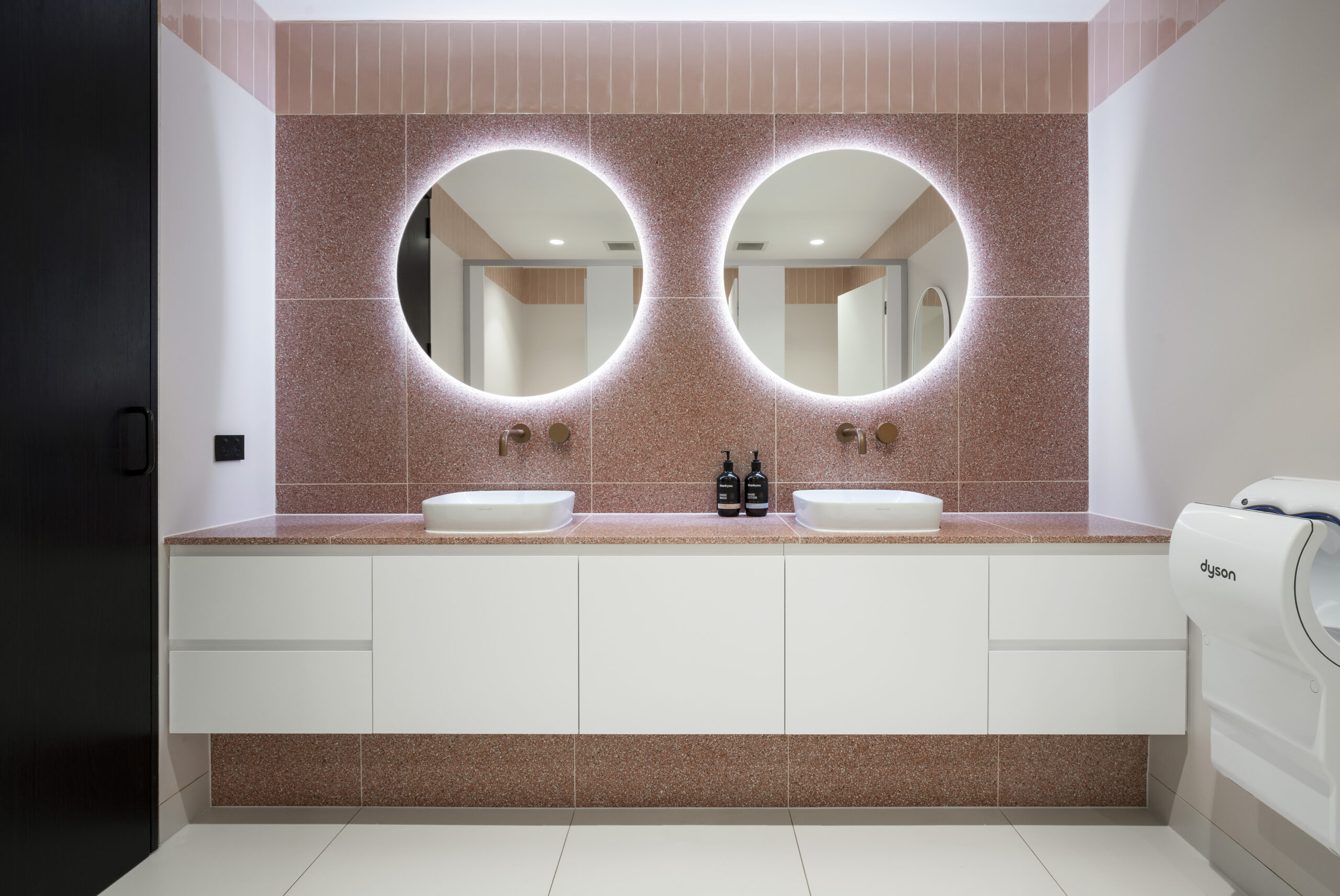
Doing your make-up or shaving under a single ceiling light is a losing battle. The light comes from above and behind, your face ends up in shadow, and the mirror steams over the moment you step out of the shower. A bathroom mirror with lights fixes all three problems at once, as long as you pick the right one.
This guide covers what actually matters when you’re choosing: how the mirror is powered, what IP ratings and bathroom zones mean, whether you need a demister pad, and which extras are worth having. No jargon you don’t need, and a clear steer on when to call an electrician.
Why choose a bathroom mirror with lights?
The main reason is simple: light from the front. An illuminated bathroom mirror lights your face evenly, so you can see what you’re doing without shadows under your eyes or chin. That makes a real difference for shaving, tweezing, skincare and make-up.
They also help a small or windowless bathroom feel brighter. Light bounces off the glass and around the room, and on a late-night trip to the loo, a softly lit mirror is much kinder than the main ceiling light.
Finally, plenty of LED mirrors bundle in other useful features, such as anti-fog, adjustable light colour and even a shaver socket. You get several upgrades for one fitting.
Hard-wired, battery or rechargeable?
This is the first thing to decide, because it affects where the mirror can go and who should fit it. Here’s how the three main types compare.
| Type | How it’s powered | Best for | Bear in mind |
|---|---|---|---|
| Hard-wired | Connected to the mains, usually via the lighting circuit | A permanent main mirror with full features | Needs a qualified electrician to install |
| Battery operated | Batteries inside the mirror | Renters, or anywhere with no wiring in place | Batteries need replacing; fewer extras |
| Rechargeable | Built-in battery, charged by cable (often USB) | Small vanity and magnifying mirrors | Needs taking down or unplugging to charge |
Hard-wired mirrors are the most capable, and they’re the type that usually comes with demister pads, shaver sockets and lit cabinets. The HOMCOM LED bathroom mirror is a good example: it’s hard-wired, has three light colours, a defogging film and a memory function, and can hang horizontally or vertically.
If drilling into the wiring is out of the question, a battery mirror is the easy alternative. The iBathUK Aurora battery-operated LED mirror runs on eight batteries, so there’s no wiring at all, and it’s listed as IP44 rated at 500 x 700mm.
IP ratings and bathroom zones, explained simply
Bathrooms combine water and electricity, so there are rules about what can go where. You don’t need to know them in depth, but understanding the basics will help you buy the right mirror.
What does IP44 mean?
IP stands for Ingress Protection. The first number rates protection against solid objects, and the second rates protection against water. An IP44 bathroom mirror is protected against solid objects larger than 1mm and against water splashing from any direction. It’s the rating you’ll see most often on bathroom lighting.
Bathroom zones in brief
UK bathrooms are split into zones based on how close you are to water. Zone 0 is inside the bath or shower tray. Zone 1 is the space directly above the bath or shower, up to 2.25m from the floor. Zone 2 is the area just outside that, typically 60cm beyond the edge of the bath or shower. Anywhere further away is outside the zones.
Electrical fittings in zones 1 and 2 generally need a rating of at least IPX4, which is why IP44 is the usual number to look for. Most mirrors sit over the basin, which is often outside the zones, but in a small bathroom the basin can be very close to the shower.
When to call an electrician
For any hard-wired mirror, we’d always recommend a qualified electrician. They can check which zone your mirror falls into, confirm the rating you need and make sure the connection is safe. They’ll also know whether the work needs to be certified. If a mirror’s listing doesn’t state an IP rating, ask the seller before you buy rather than assuming.
Demister pad mirrors: no more wiping the glass
A demister pad is a thin heated pad fixed behind the glass. When it’s on, it warms the mirror just enough to stop steam condensing on it, so you get a clear reflection straight after a hot shower.
Some mirrors call this a demister, some say anti-fog or defogging, but the idea is the same. Look for a separate switch or button, so you can use the light without heating the pad when it isn’t needed. The Hamlody LED smart mirror (60 x 80cm) has a separate defogger button, alongside a touch switch that dims the light from 10% to 100%.
Demister pads are almost always found on mains-powered mirrors, as they need more power than batteries can sensibly provide. If anti-fog matters to you, a hard-wired illuminated bathroom mirror is the way to go. Good ventilation helps too, so keep the extractor fan running after a shower.
Light colour, brightness and controls
LED mirrors often let you choose between warm white, neutral white and cool white. Warm light is cosy and flattering for evening baths, while cool white shows colours more accurately, which helps for make-up. Being able to switch between them is genuinely useful.
Dimming is the other feature to look for. Full brightness is handy first thing in the morning, but at night you’ll want something much softer. Touch sensors are common and easy to wipe clean, though they can take a second to get used to.
Picking the right size and shape
Measure your basin and the wall above it before you fall for a particular mirror. As a rough guide, the mirror should be at least as wide as the basin, and the centre should sit around eye height for the main user.
Rectangular mirrors that hang either way give you the most flexibility. A portrait mirror suits a narrow wall, while landscape works over a wider basin or a double vanity. If you want extra help with close-up tasks, a lit magnifying mirror can sit alongside your main bathroom mirror.
Extras worth having: shaver sockets and storage
Some illuminated mirrors come with a built-in shaver socket. It’s designed for low-power devices like electric shavers and toothbrushes, not hairdryers or straighteners, but it saves you trailing chargers across the room. The EMKE LED bathroom mirror (500 x 700mm) includes a 2-pin shaver socket along with an anti-fog function and dimmable touch-sensor light.
If storage is just as pressing as light, a lit mirror cabinet does both jobs. The Dripex LED mirror cabinet (600 x 800mm) has a shaver socket and USB socket inside, three light colours and a demister pad, so chargers stay hidden behind the doors. For more ways to tackle clutter, have a look at our bathroom storage ideas.
Our picks: bathroom mirrors with lights
These are the mirrors we’d shortlist, picked to cover the main needs: a full-featured main mirror, a mirror cabinet, a no-wiring option and a close-up mirror.
- Hamlody LED smart mirror: a generous 60 x 80cm with dimmable light and a separate anti-fog button. A strong all-rounder for the main bathroom.
- HOMCOM LED mirror: hard-wired, with three light colours, defogging film and a memory function, so it comes back on at your last setting.
- EMKE LED mirror with shaver socket: a good choice if you charge a shaver or toothbrush in the bathroom.
- BELIWIN LED mirror cabinet: 500 x 700mm with a demister pad and three dimmable light colours, plus storage behind the mirror.
- iBathUK Aurora battery-operated mirror: no wiring, IP44 rated in the listing, and easy for renters.
- FASCINATE rechargeable lighted vanity mirror: wall mounted and double sided (1x and 10x magnification), with three dimmable light colours for close-up work.
Bathroom mirror with lights FAQs
Are LED bathroom mirrors worth it?
For most people, yes. They give better light for grooming than a ceiling light, often include anti-fog, and use very little energy. If you only need a mirror for a quick glance, a standard mirror will do, but for daily make-up or shaving, the difference is clear.
Do LED bathroom mirrors need electricity?
Not always. Hard-wired mirrors connect to the mains, but battery-operated and rechargeable mirrors run without any wiring. The trade-off is that battery models usually have fewer features, and demister pads generally need a mains connection.
What does IP44 mean on a bathroom mirror?
It means the mirror is protected against solid objects over 1mm and against splashing water from any direction. It’s the common rating for bathroom lighting, but which rating you need depends on where the mirror will go, so check with an electrician if you’re unsure.
How can I stop my bathroom mirror from steaming up?
A demister pad mirror is the most reliable fix, as the gentle heat stops condensation forming. Running an extractor fan and opening a window after a shower help too.
Can I fit an illuminated mirror myself?
Battery and rechargeable mirrors just need hanging securely. Hard-wired mirrors should be fitted by a qualified electrician, who can make sure the position, rating and connection are all safe for your bathroom.
Bright, clear and safe
The right bathroom mirror with lights comes down to three questions: how will it be powered, where will it sit, and do you want anti-fog? Answer those and the choice gets much easier. Browse all our mirror lights and bathroom mirrors, or explore the rest of our bathroom range. Working with a compact room? Our small bathroom ideas are a good next read.